Pickled Green Garlic 1
This was in an interesting food preservation type cookbook on loan from my mother, “Canning for a New Generation” by Liana Krissoff .
Two steps:
First, clean and trim green garlic, cover in Rice vinegar and refrigerate for a week. (Use plain rice vinegar and not the seasoned or flavored varieties. )
Trimmed (these have fattened up remarkably in the past 2 weeks)

Immersed in Rice Vinegar and ready for a week in the fridge

Second step:
(you’ll have to wait until next week sorry).
Running In Place
I’ve had a string of “too busy” days lately (college graduations and moves, work) and haven’t been able to accomplish much worth updating here.
I was worried that I had lost the asparagus bed to crown rot but didn’t have the time to really investigate until this evening.
Based on my research I think the crowns are fine, but the warm winter (and resulting deficiency in required chilling hours to get a bumper crop) and downright hot spring have “confused” the bed and production has been sporadically scant. News archives of widely varying crops season to season in asparagus producing regions broke the code; most of the home garden reference material speaks only to the time of planting and delayed harvesting for a season or two while the plants become established.
So I guess I just assumed the harvest would be consistent year to year regardless. Duh, nothing else is consistent, so why should asparagus be?
So with this great news (and knowing that I don’t have to leave at 6:00AM again tomorrow to beat the rush hour traffic in Atlanta) I will just share some pictures and go to bed.


And some fat necked elephant garlic…

‘Choke
The early artichoke plant is responding to the regular watering from the drip line system; some new side shoots are budding out, a second bud has formed and the first ‘choke is fattening up. In fact, it is already as big as the single one harvested in our initial try a couple years back and that one wasn’t cut until August.

I’ve read that most artichoke plants’ first year harvest tends to be a little bitter vs subsequent years. Also, my understanding is that a single plant can provide 18-22 artichokes in a season under ideal conditions. With proper winter care (basically covering with a foot or more of mulch or straw) these should be around for a couple more years.
I purchased the crowns from Sweetheart Artichokes; her web page has plenty more information on these if you are curious. (She is “enthusiastic” in what she does for sure. )
Once again it is Sunday evening and I can barely keep my eyes opened, so this is all for now.
Murgantia histrionica – Harlequin Bug
A Pest Insect
A member of the stink bug clan, it sucks moisture from the leaves of host plants.
Last summer a mid-season batch of bok choi got covered up with these. The mild winter probably helped them survive to suck on my kale this spring; it seems they have a preference for the Russian Red Kalse vs the more prolific curly Winterbor.
Neem seems to send them into fits and is effective to reduce numbers as long as you get the oild/water mix on their body as opposed to just on the plant. They aren’t as wary as the late summer stinkbugs that put hard spots on my tomatoes and fortunately their coloring is reminiscent of a New Orleans pimp’s
Mardi Gras wardrobe. Bottom line they are easy to spot then hit with spray or manually pick.
More reference: http://bugguide.net/node/view/557
On my Russian red kale, I present “Murgantia histrionica” – The Harlequin Bug
(See the white spots on the leaf under it that have been slurped dry?)


No gardening tonight
I finished painting the iron furniture instead
(and I’ll opine that I did a damn good job at it too.)

But it wasn’t all work.
Beforehand, there was the episode with the poodle and the stick…..


<img src="http://i107.photobucket.com/albums/m284/cohutt/dogs/88e5cdc6.jpg

Smug one, isn’t he:

(My first attempt at action sequences with the new camera. A learning curve.
Polistes Carolina
A beneficial insect
These red wasps have been in my garden from the beginning.
They like nectar and are an effective pollinator of some plants; however, the very best thing about them is they are top notch predators. They are continuously combing over, under, and in between leaves, especially lettuce, cabbage and other greens.
What do they eat? Worms, caterpillars, grubs and other soft bodied creatures that make a habit of eating what I am attempting to grow for my own consumption.
They behave nothing like they do when their nests are disturbed; they are easy going and generally avoid trouble, moving off as approached.
Be happy when they are in your garden- they are doing you a favor.
Nothing like a sip of pond water to wash down a tiny grub eh?

New
Something new came in today.
Can you guess?
Hint:
Nikon is the manufacturer
Hint:
I don’t know how to work it very well yet, especially getting to right depth of field with macro (super close up) shots.
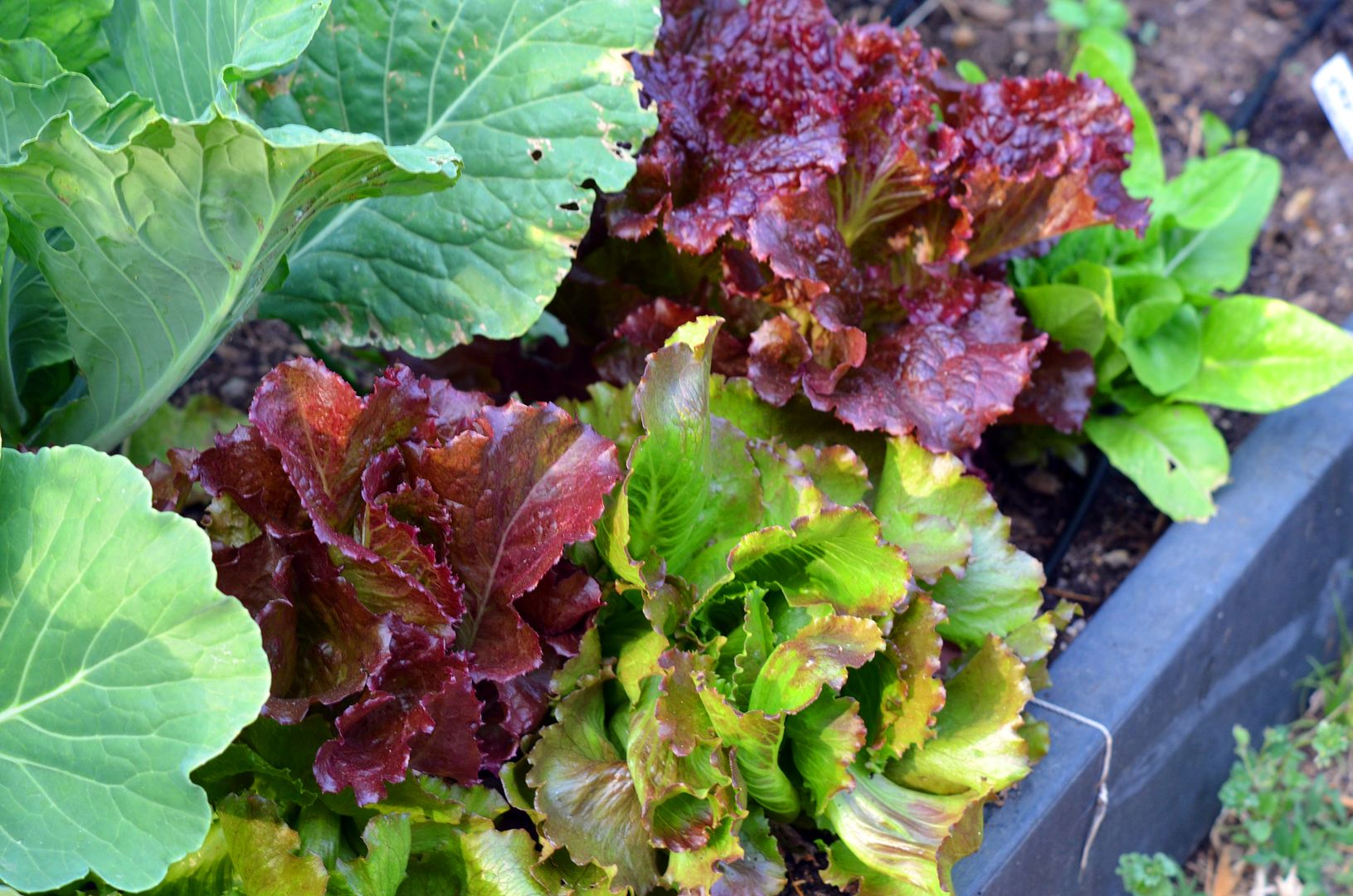
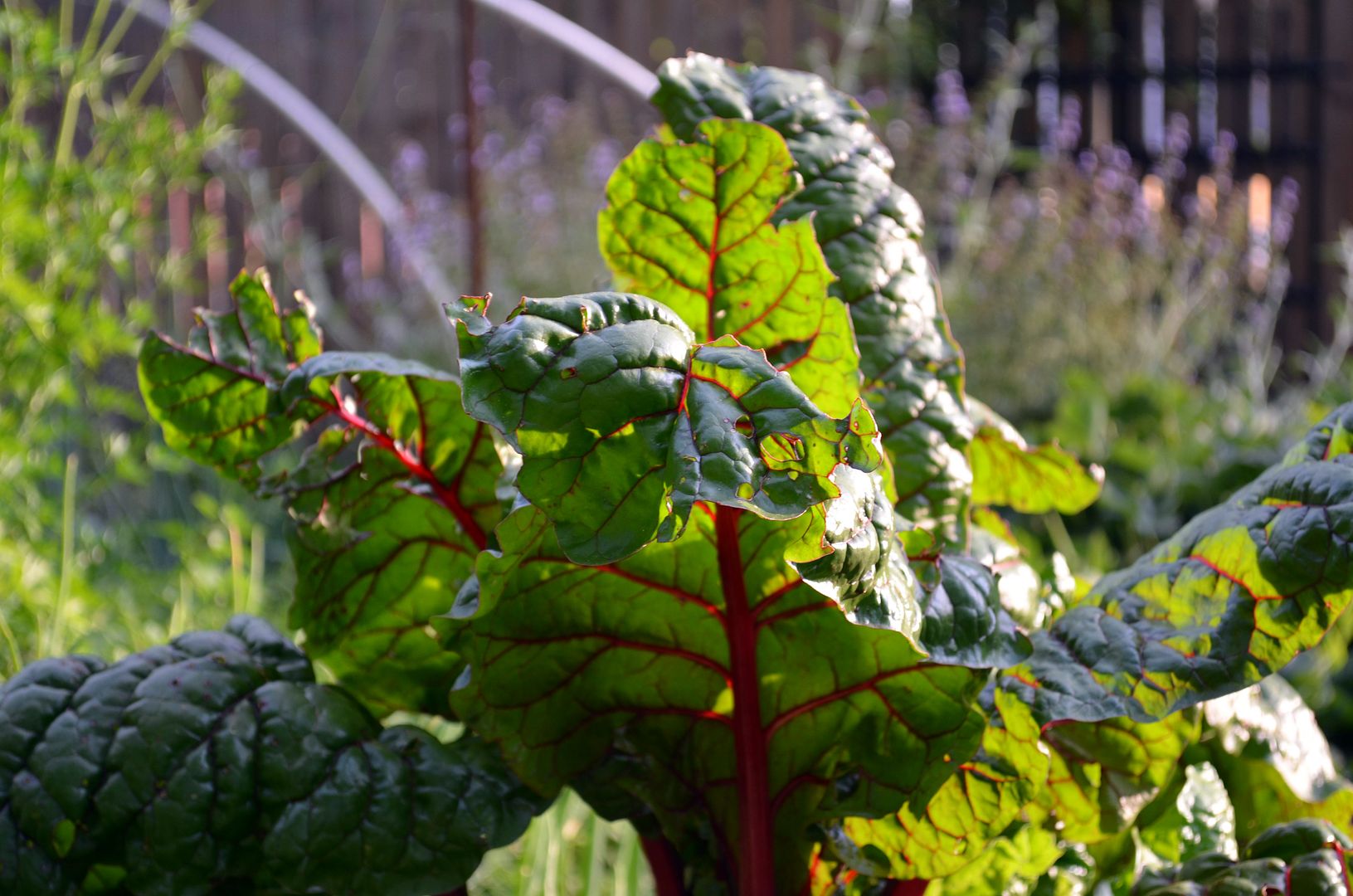
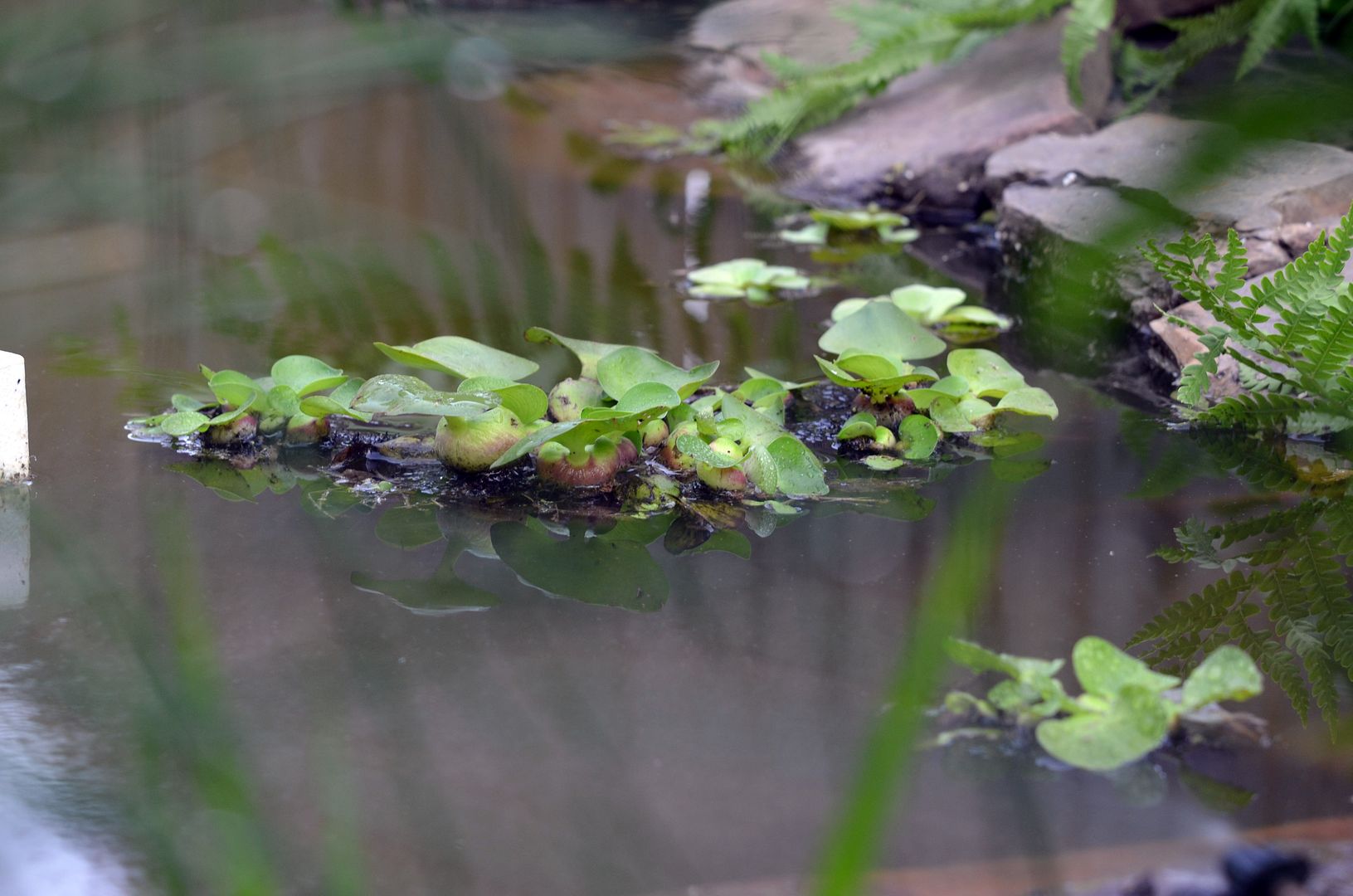
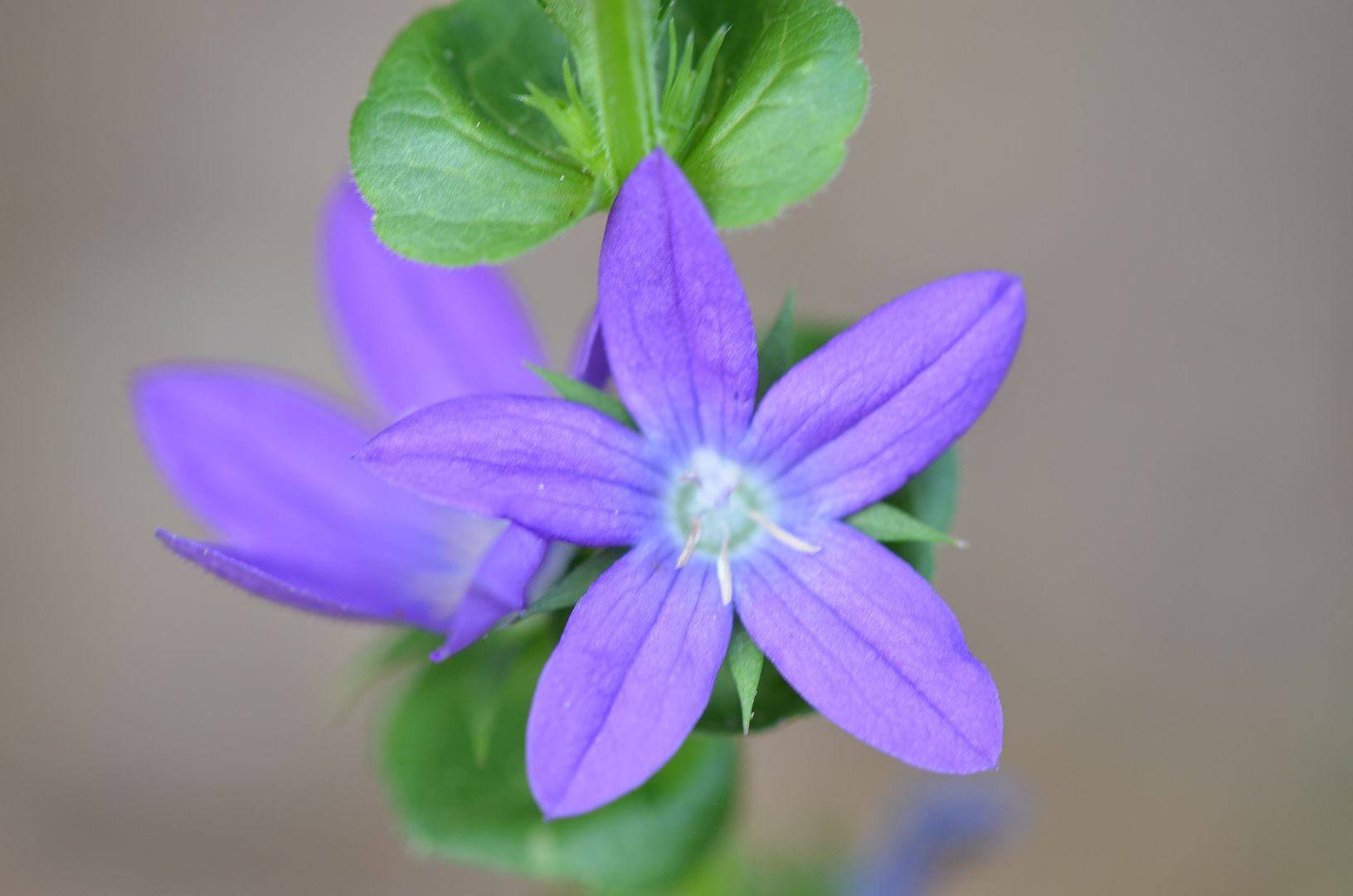
The one somewhat successful macro of a weed flower that was maybe 1/2″ across and 5″ off the ground:
That’s all for now, off to deprive myself of sleep reading the manuals…..
Rice?
The main “rice paddy” is ready for planting (the upper section is still just a 2×4 frame.) It is basically a level bottom pond (including pondliner) roughly 10″ deep, half filled with soil. The frame around the top edge allows for a nearly perfect water table control by providing a level rim for the pond. The lower end will have a gate to control the water level if needed.

I’ve been rolling and flopping rocks into place to fill the low spot between the paddy and the pond; a couple of more and a little fill in between will wrap this part of the project up for now. I figured this set up (little or no fill in between the rocks other than porous material) would avoid a soggy spot if rain overflows one or both of the ponds.
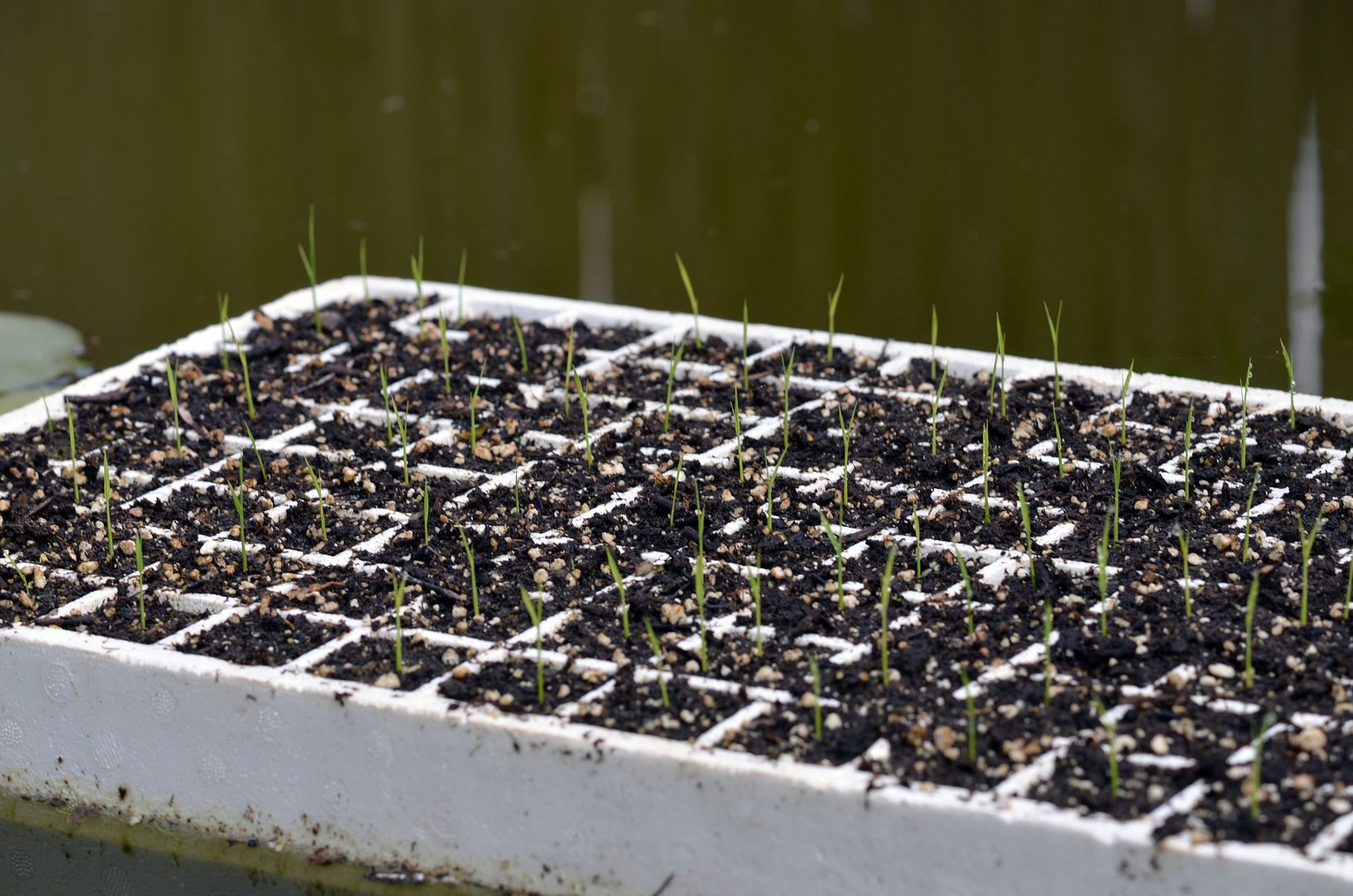
And right on cue, the first batch of rice seeds have germinated – they’ve been floating in the speedling trays on top of the frog pond for a few days now. The holes keep the soil nice and moist from below and germination appears to be pretty consistent.

I’ll admit this idea is one of the silliest ones I’ve had since this whole project began in 2009. Why do it?
At this point I’m not really sure. Maybe I like challenges, maybe because I’m curious, maybe because I am pretty sure nobody else is growing it around here…. Whatever the real reason is, I also happen to like to way it looks when it is growing.
More to follow
The Hidden Corner Stuff
This is the invisible corner, cut off from view from the sun room.
This area definitely ranked low in priority in the rush to change everything in the yard (completely).
After some winter construction work (and the fall demolition work posted here) things are slowly coming around.
First, the raspberry bed and trellis finally look like something other than a rural Uzbekistan clothes line now that some canes are growing.

Second, the Little-Shop-of-Horrors artichoke plant is beginning to take off (in spite of the slug invasion a few weeks ago that “aerated” the leaves a bit.)

And finally the large and getting larger Rosemary plant I transplanted from the nearby bed is settling into the typical “rosemary sprawl” shape since the temporary support stakes and rope have been removed.

Hidden from view is the ginormous 2 year old chard plant that I transplanted to the tip of the artichoke bed. It is severely wilted and will need a few days of recovery before it is ready for prime time.
That’s all for today. I still have a large widow-maker half of a tree hanging over the back corner of the yard. (Monday maybe now….. )

 Behind cohutt's fence